
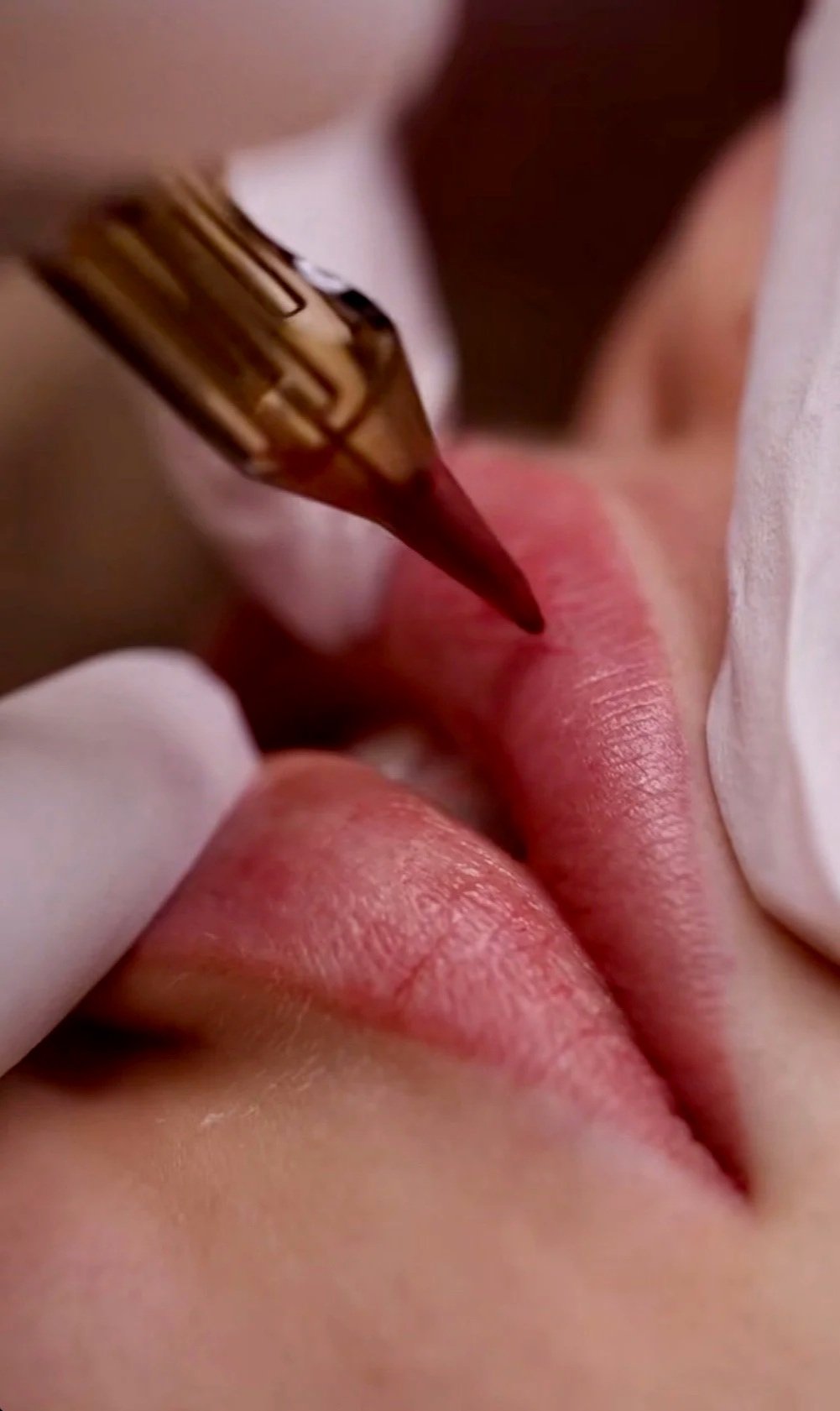
The PMU GUIDE
Everything you need to know before your appointment.
Designed to help you feel informed, comfortable, and confident throughout your PMU experience. From healing and longevity to technique selection and aftercare, this guide was created to answer the questions most clients have before booking.
-
Yes. When performed properly, permanent makeup should enhance your natural features rather than overpower them. My approach focuses on soft healed results, balanced shape, and techniques tailored to your skin, facial structure, and personal style. The goal is for you to look refreshed, polished, and still completely like yourself — you should never feel like you’re wearing makeup, simply like the best version of yourself.
-
Most clients describe the sensation as mild to moderate discomfort rather than pain. A topical numbing agent is applied before and throughout the procedure to keep you as comfortable as possible. Sensitivity varies depending on the area being treated and your personal tolerance.
-
The best technique depends on your skin type, existing hair, lifestyle, healed expectations, and desired look. Nano brows are ideal for soft hairstroke definition, while powder brows create a more shaded and polished appearance. Some clients benefit from a combination approach. Your facial structure and long-term healed results are always considered before choosing a technique.
-
Initial healing typically takes about 7–14 days, while the skin continues stabilizing underneath for several weeks. Final healed results are usually visible around 6–8 weeks after the appointment. During healing, color softness and texture changes are completely normal.
-
Most people are good candidates for PMU. However, certain skin conditions, medications, or health circumstances may require additional consideration. A thorough consultation is always the first step to ensure the safest and most beautiful outcome for your unique skin.
-
Each case is evaluated individually. Some clients arrive with previous work that has faded softly and may allow for refinement, while others have pigment that is too saturated, dense, or discolored over time. A consultation is the only way to know for certain — and when needed, removal or fading sessions are recommended before any new work begins.
-
Permanent makeup is not suitable for everyone. Treatment cannot be performed during pregnancy or while breastfeeding, while on Accutane (or within the past 12 months), during chemotherapy, or for clients with a history of keloid scarring. Active skin conditions in the treatment area must also be fully resolved before any procedure can be scheduled.
-
Yes. Your safety and skin integrity are always the priority. All procedures are performed by a licensed permanent makeup artist using sterile, single-use disposable tools and professional-grade pigments in a clean, licensed environment. Proper technique and conservative application are essential for healthy healed results.
-
Avoid alcohol, excessive caffeine, retinol products, chemical peels, and tanning before your appointment. Arrive with healthy, well-hydrated skin whenever possible. Detailed pre-care instructions will be provided before your procedure to help ensure the best possible results.
-
Proper aftercare plays an important role in healing and pigment retention. You will receive detailed instructions specific to your procedure. In general, the area should be kept clean, dry, and protected — avoiding picking, excessive moisture, sweating, and sun exposure during the healing process.
-
Most permanent makeup procedures are designed as a two-session process. The first appointment builds the foundation, while the touch-up perfects color, shape, retention, and healed balance once the skin is properly healed.
-
In many cases, yes. Previous permanent makeup can often be softened, corrected, neutralized, or removed depending on the existing pigment, saturation, and skin condition. A consultation is recommended to determine the safest and most natural long-term approach.
-
Permanent makeup exists in layers within the skin. When existing pigment is still present, new color cannot deposit evenly — the underlying tone will always influence the final result. Working over compromised PMU often leads to muddy, uneven, or unpredictable healing. Honoring the skin's integrity means starting from the cleanest possible canvas.
-
Yes. Written clearance from your physician is required before treatment for clients managing autoimmune disorders, diabetes, heart conditions, blood thinners, recent cosmetic procedures, or any chronic illness that may affect healing. This step protects your health and ensures the most stable and beautiful healed result possible.
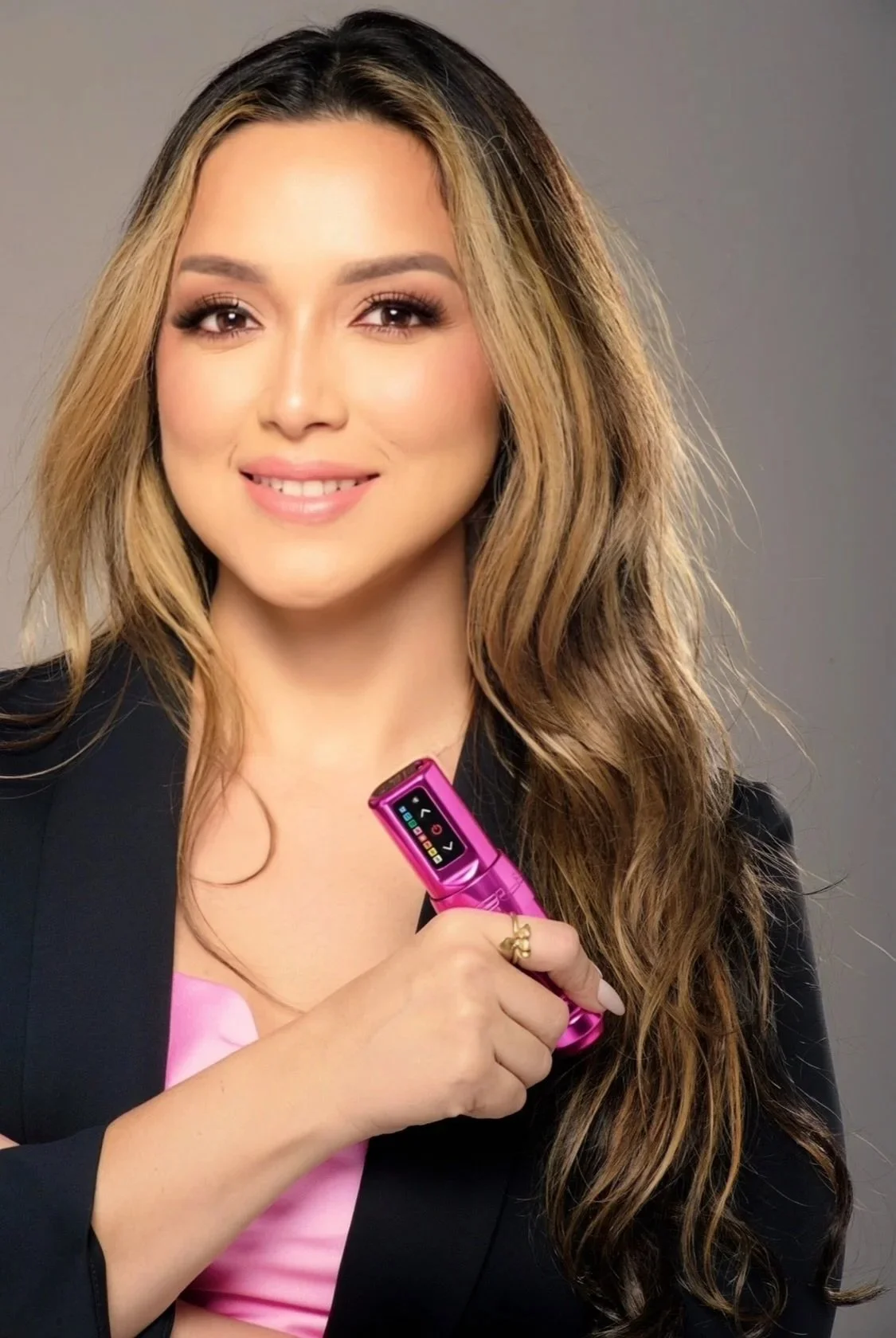
PRE-CARE
PREPARATION MATTERS
Careful preparation is essential for your comfort, pigment retention, and overall healed results. Please review the pre-care instructions for your selected service.
Following these guidelines will allow us to deliver the exceptional care you deserve. We look forward to welcoming you soon at Glow Elite PMU.
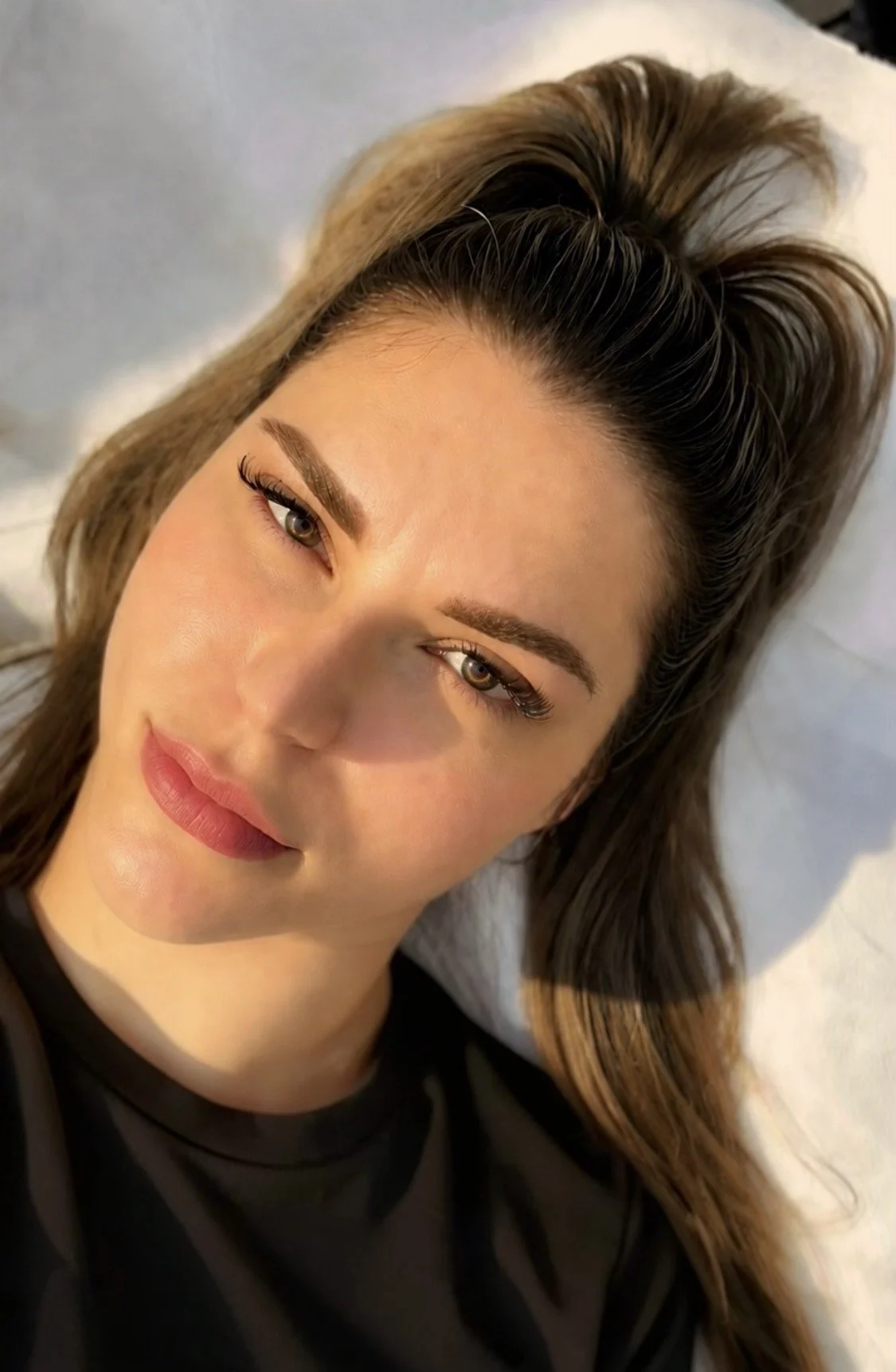
AFTERCARE
Healing is a process. Trust it. In the first days, patience is everything — the color will appear deeper and more defined than your final result, and this is exactly as it should be. As your skin begins to shed and soften, trust the process — what looks uneven or faded is simply your body revealing the true tone underneath. And then, quietly, the result settles in — refined, balanced, and beautifully your own.